
Testosterone Replacement Therapy in Naperville, IL
TRT that restores levels and eases the symptoms of testosterone deficiency.

Understanding testosterone
Testosterone replacement therapy is a medical treatment used to address low testosterone levels in people as a result of aging, medical conditions, or other factors. Testosterone is a critical hormone for muscle mass, bone density, sexual function, mood, and overall energy levels. TRT aims to restore levels and alleviate the symptoms associated with testosterone deficiency. Starting at $150.
Your visit, step by step
It starts with an initial evaluation, where the practice discusses whether TRT is right for you and orders labs. Total and free testosterone levels are measured, typically in the morning when levels are highest, alongside screening for conditions like diabetes or thyroid issues that might mimic low testosterone symptoms. If TRT is appropriate, testosterone is injected intramuscularly, for example into the gluteal muscles, every one to two weeks.

The question gets answered, not assumed
Low energy, low mood, and lost strength have a long list of possible causes, and testosterone is only one of them. Blood tests measure total and free testosterone, typically in the morning when levels are highest.
The same workup screens for conditions like diabetes or thyroid issues that might mimic low testosterone symptoms. Finding one of those is a better outcome than treating the wrong thing.

Monitored, then adjusted
Patients undergo regular follow-up blood tests to monitor testosterone levels, red blood cell count, and other health markers. Adjustments are made based on side effects and therapeutic outcomes.
The benefits patients come for are the ones that show up in daily life: increased muscle mass and bone density, reduced fat accumulation and better body composition, improved libido and erectile function, relief from symptoms of depression, anxiety, and irritability, and better energy, motivation, and mood.
Testosterone FAQs
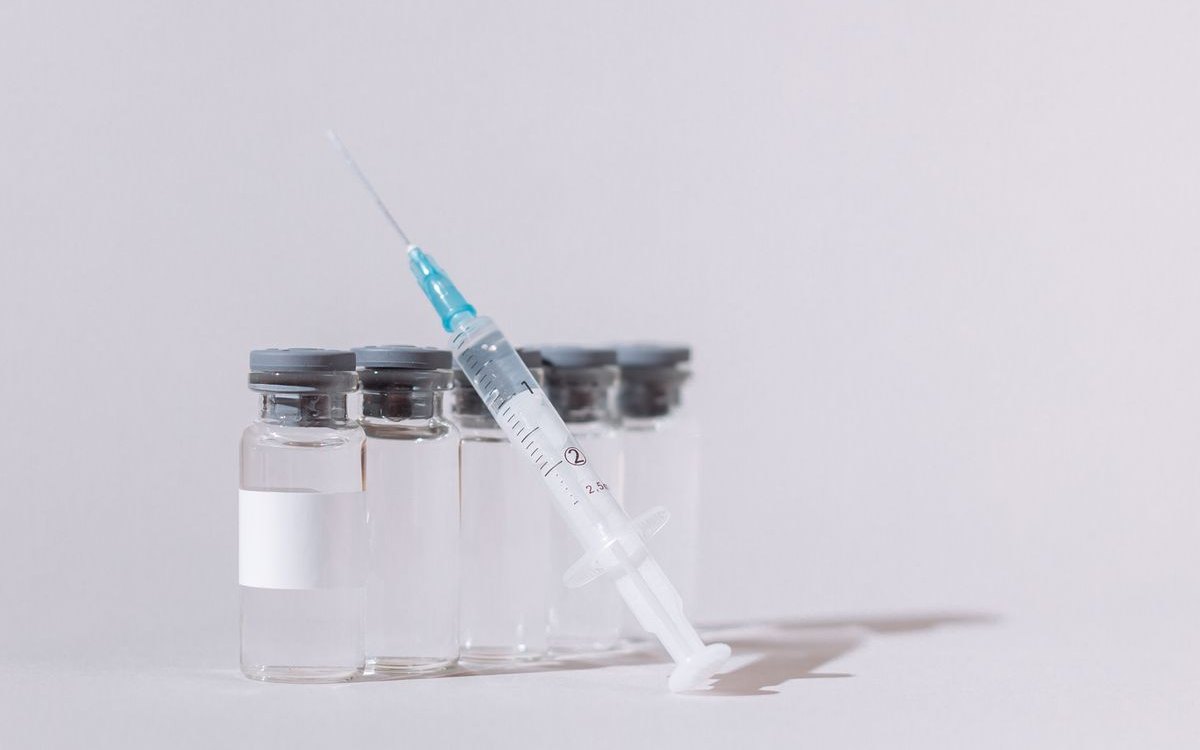
Testosterone is injected intramuscularly, for example into the gluteal muscles, every one to two weeks.
It starts with an initial evaluation and labs. Total and free testosterone levels are measured, typically in the morning when levels are highest, and the same workup screens for conditions like diabetes or thyroid issues that might mimic low testosterone symptoms.
Patients undergo regular follow-up blood tests to monitor testosterone levels, red blood cell count, and other health markers, and adjustments are made based on side effects and therapeutic outcomes.
Other ways we can help

Ready to take the next step towards a healthier, happier you?
Schedule a consultation with our team today and find out which treatment is right for you.